От халепа... Ця сторінка ще не має українського перекладу, але ми вже над цим працюємо!


От халепа... Ця сторінка ще не має українського перекладу, але ми вже над цим працюємо!

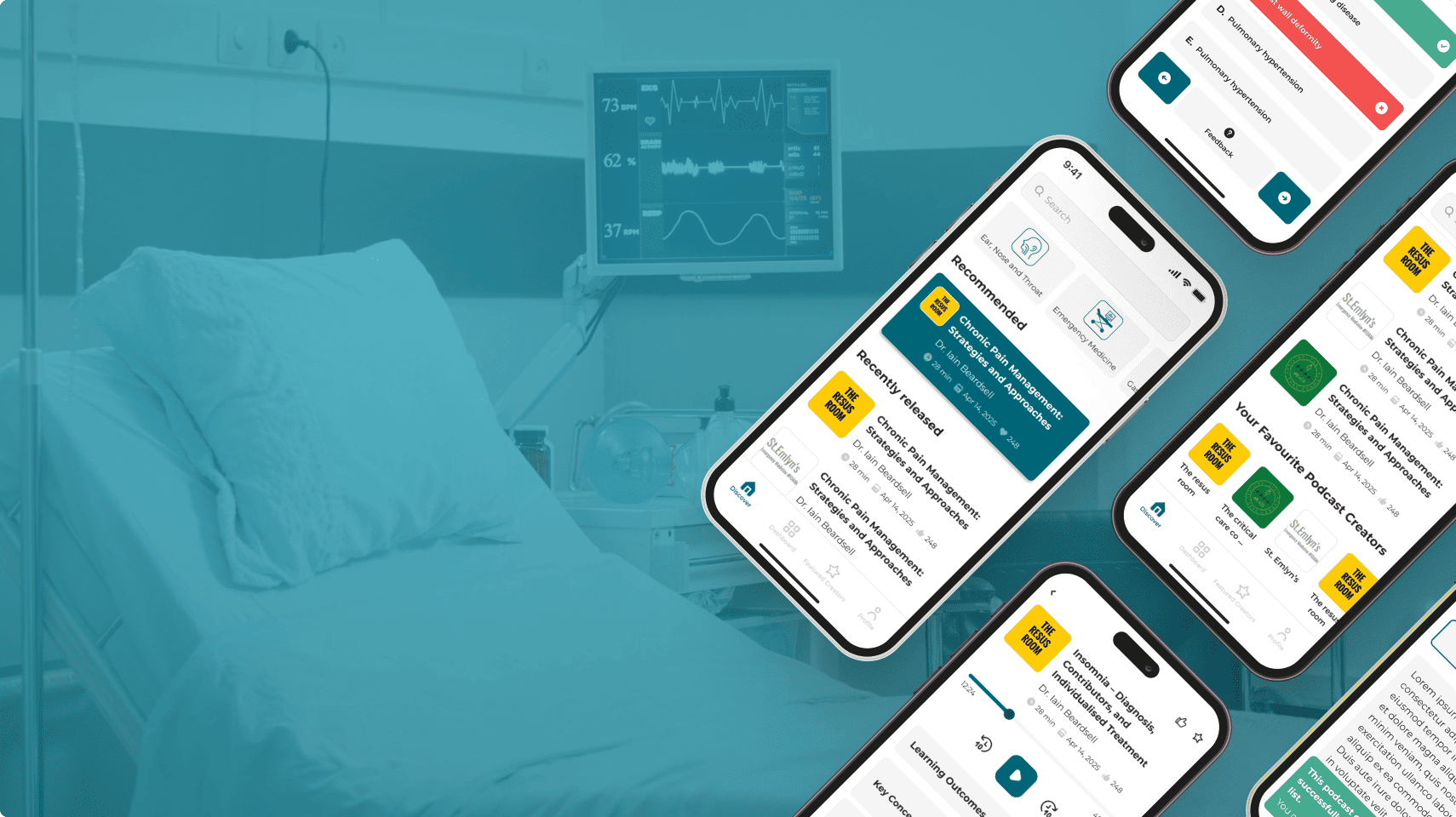
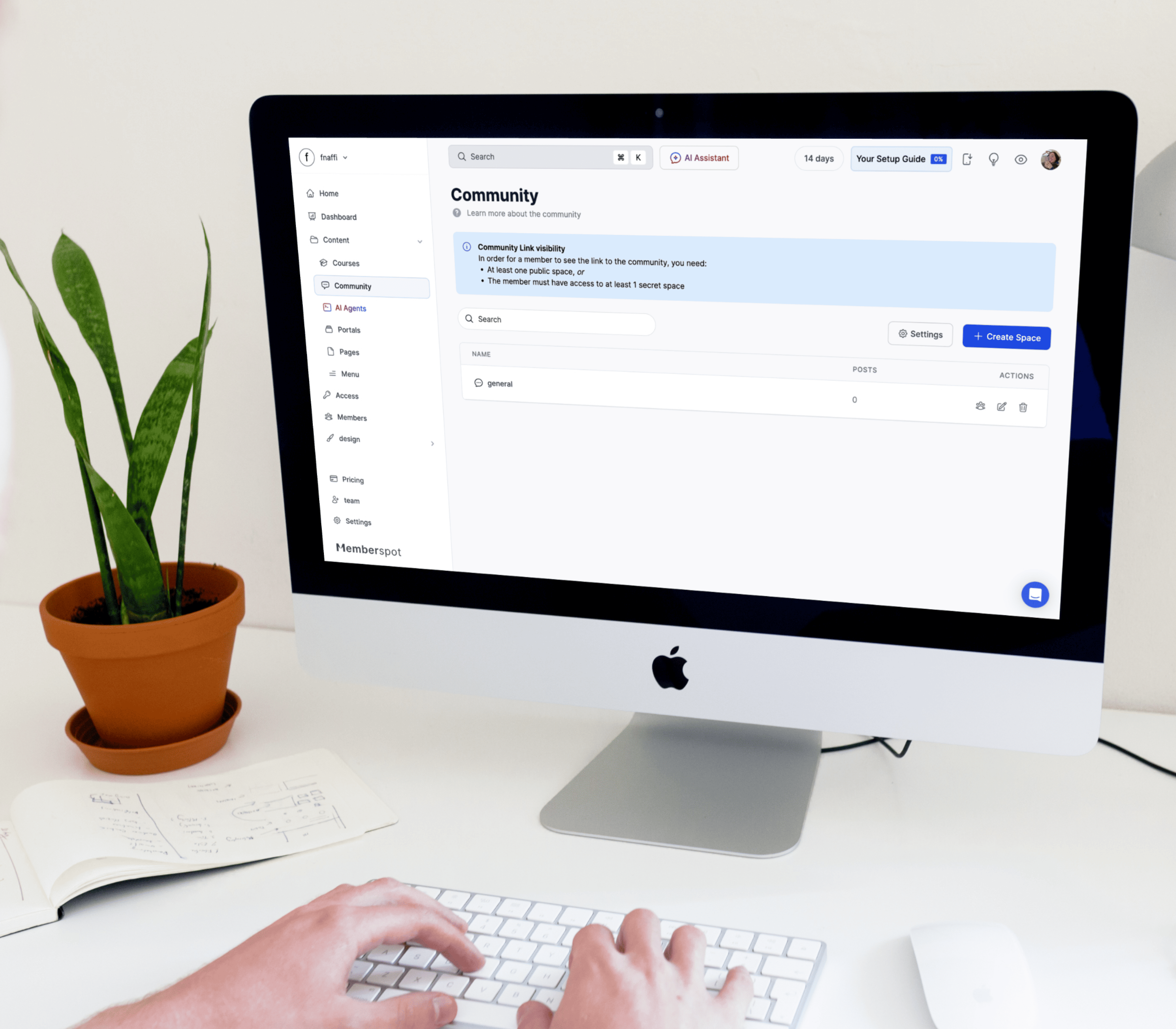
MemberSpot is a well-established B2B SaaS community and educational platform. It’s popular among creators, educators, and businesses, who use it to run memberships and deliver structured content to a community of 200,000 consecutive users.
The team contacted NERDZ LAB on LinkedIn because they wanted online learning platform development support to add real-time community interaction that wouldn’t disrupt a live product. Notably, before starting the cooperation, Membershot already had an active user base.
As the product evolved, they aimed at enhancing and extending existing functionality, improving UX, and making their platform scalable. This is where our collaboration started: providing software development services to help a scaling product grow. without disrupting its users.
Our primary goal was to develop a live chat function for an existing SaaS solution without jeopardizing the integrity of its production environment. Our team also had to prioritize scalability and ensure the architecture could be safely rolled out under the client’s control. In a controlled QA beta environment, we built a production-ready chat with an optimistic UI.
We then verified it through comprehensive software testing services. Finally, we provided transparent handoff and release-ready support, allowing the customer to put it into production via feature flags on their timeline.
concurrent users
companies on the platform
total platform users
during launch
Services
Product design
Design testing
Web development
Front-end
Back-end
Consulting
Technologies:
Figma
Angular
Node.js
Team composition:
1 Front-end developer
1 Back-end developer
1 QA engineer
1 Delivery
1 Project manager
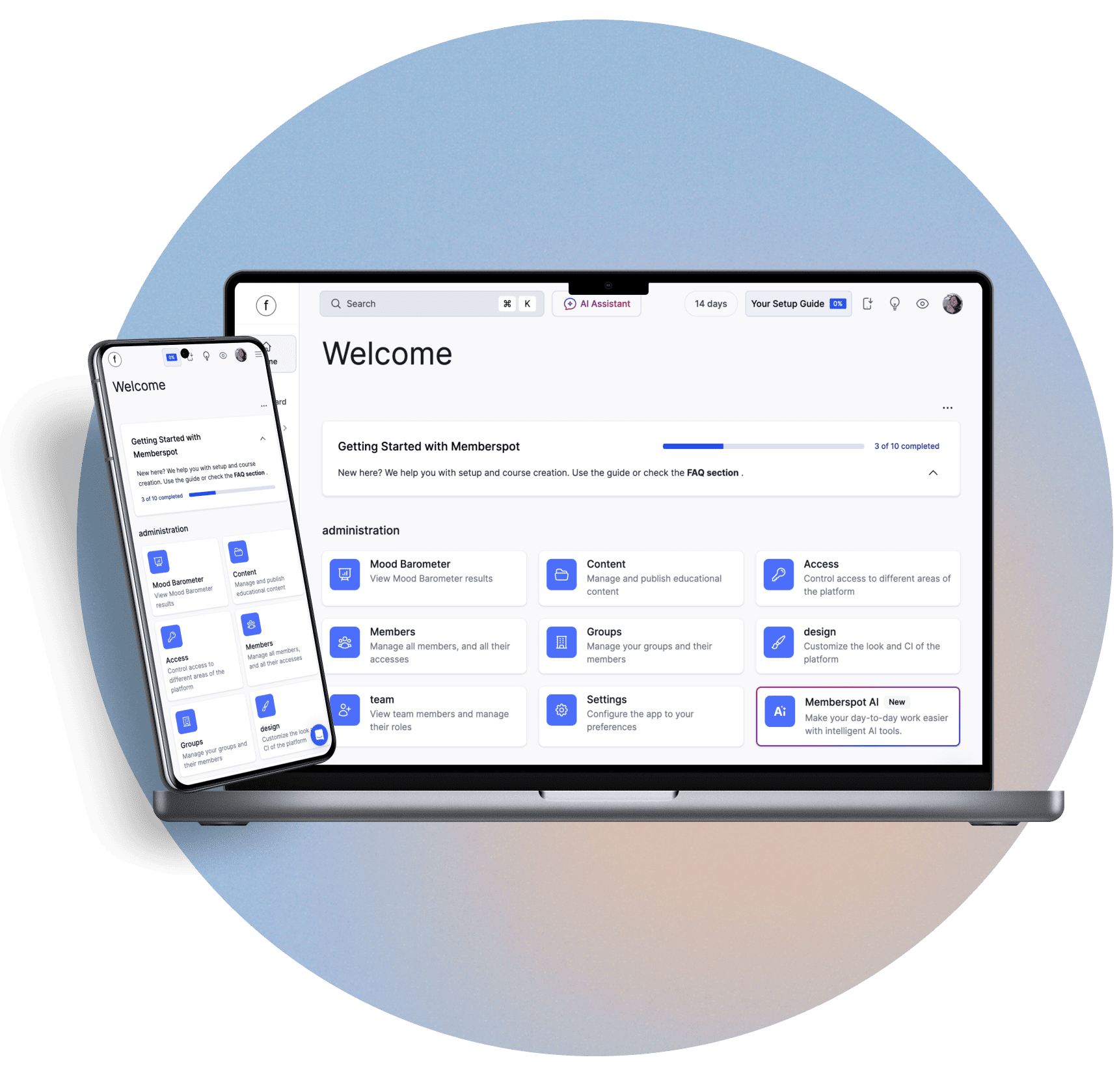
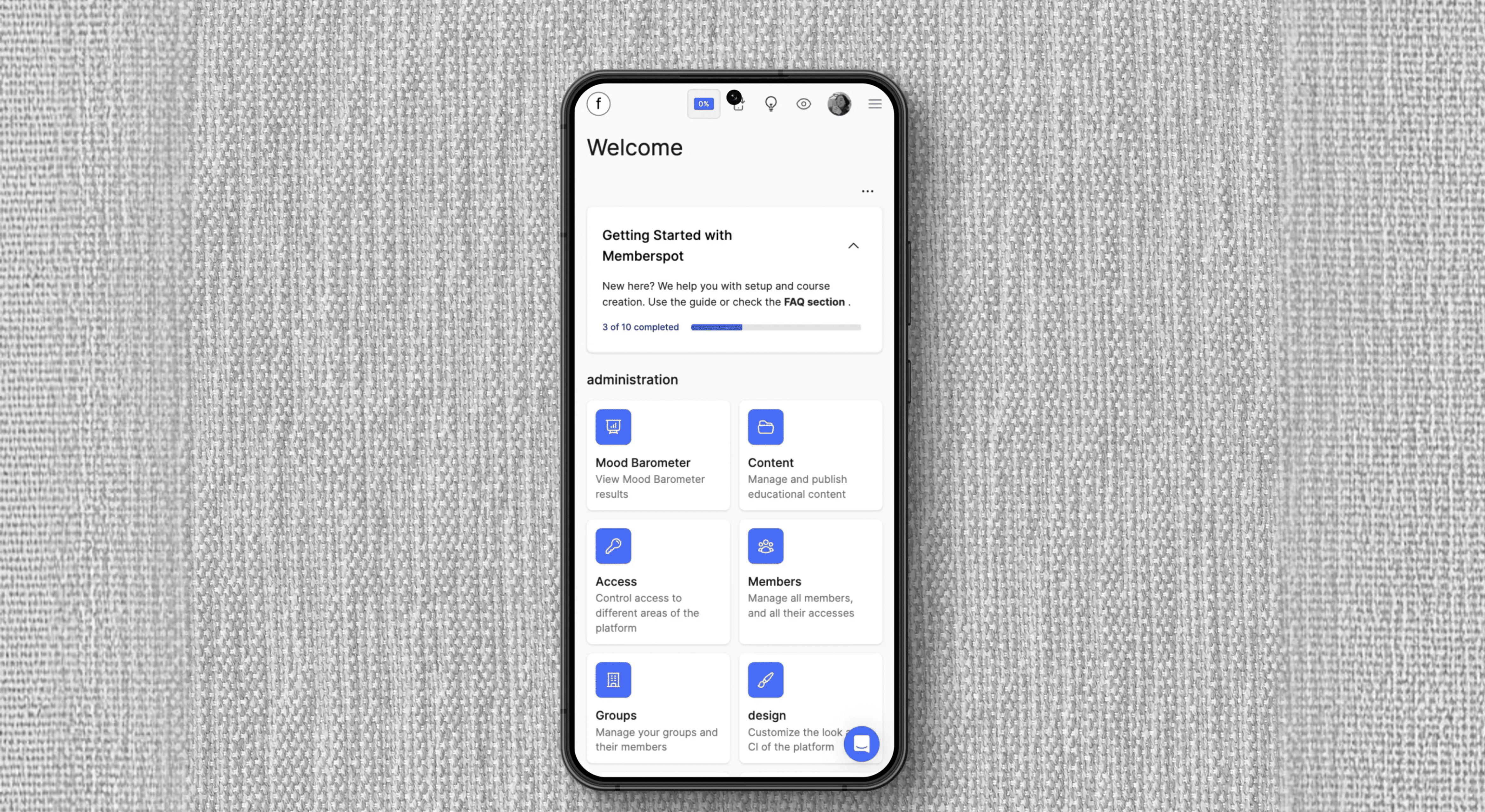
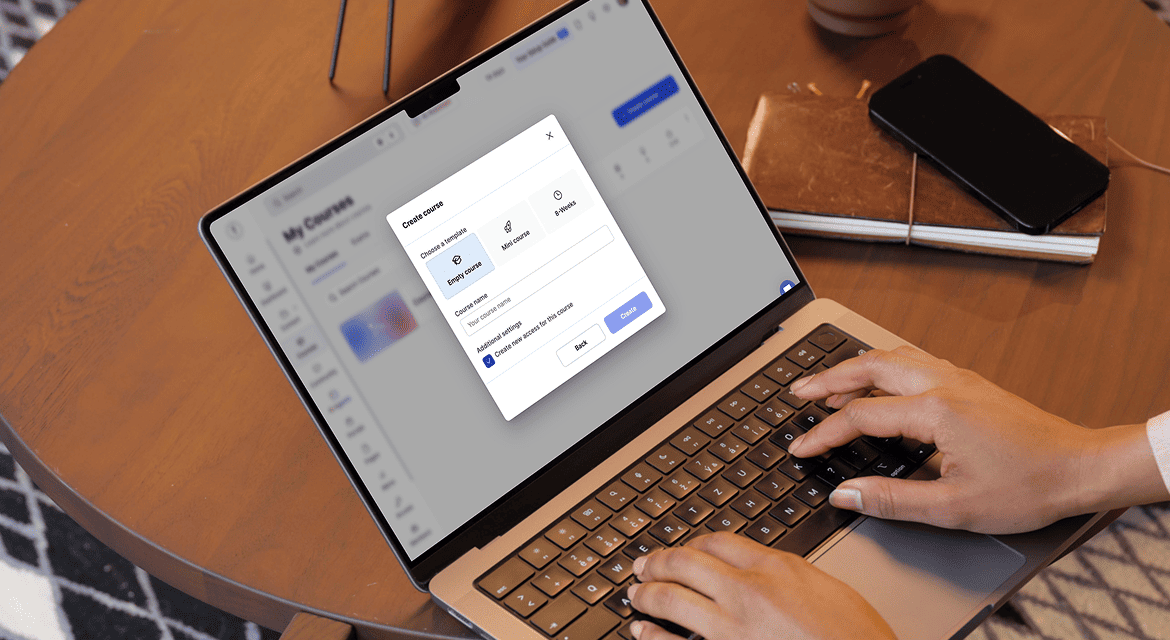
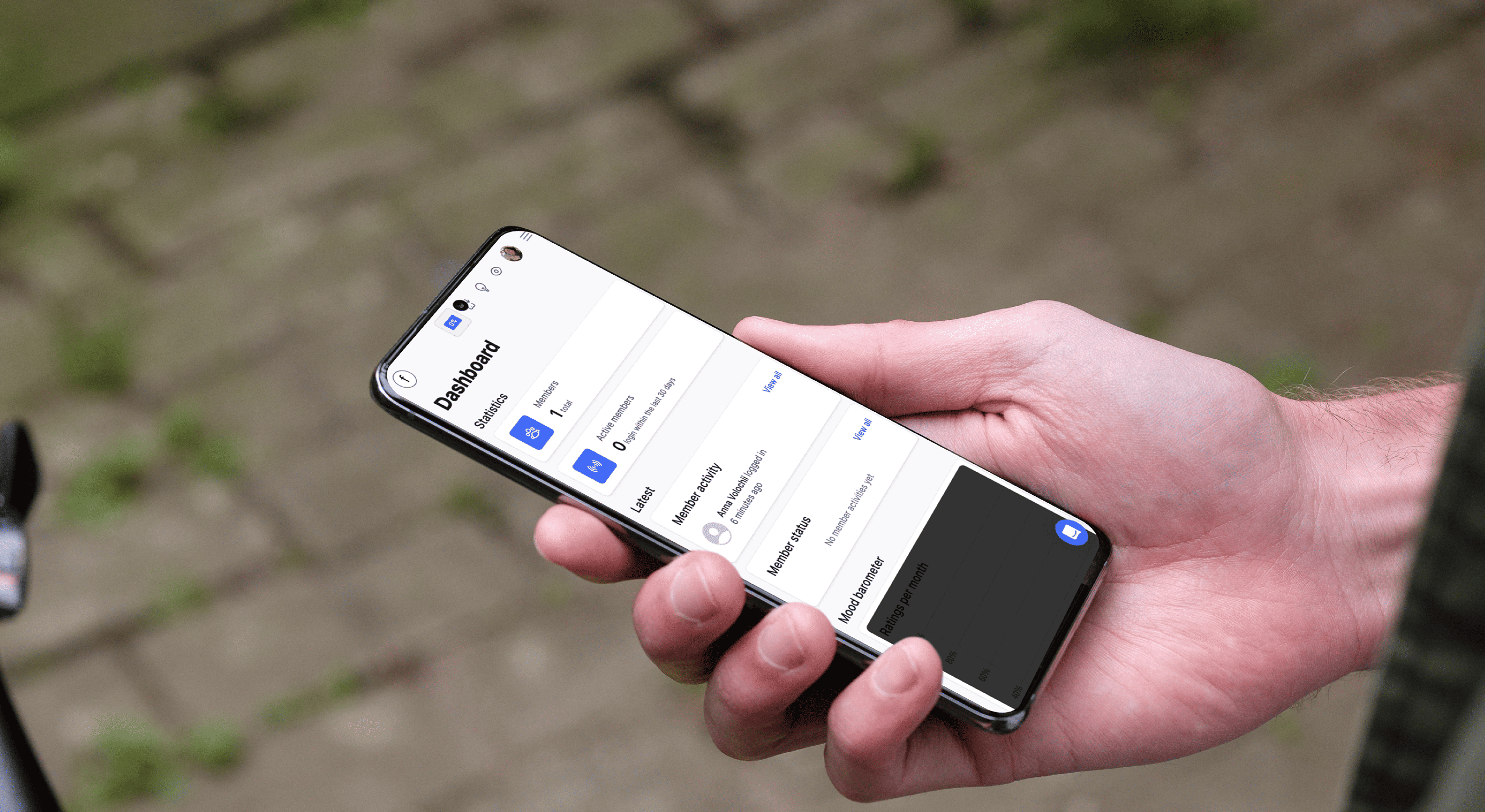
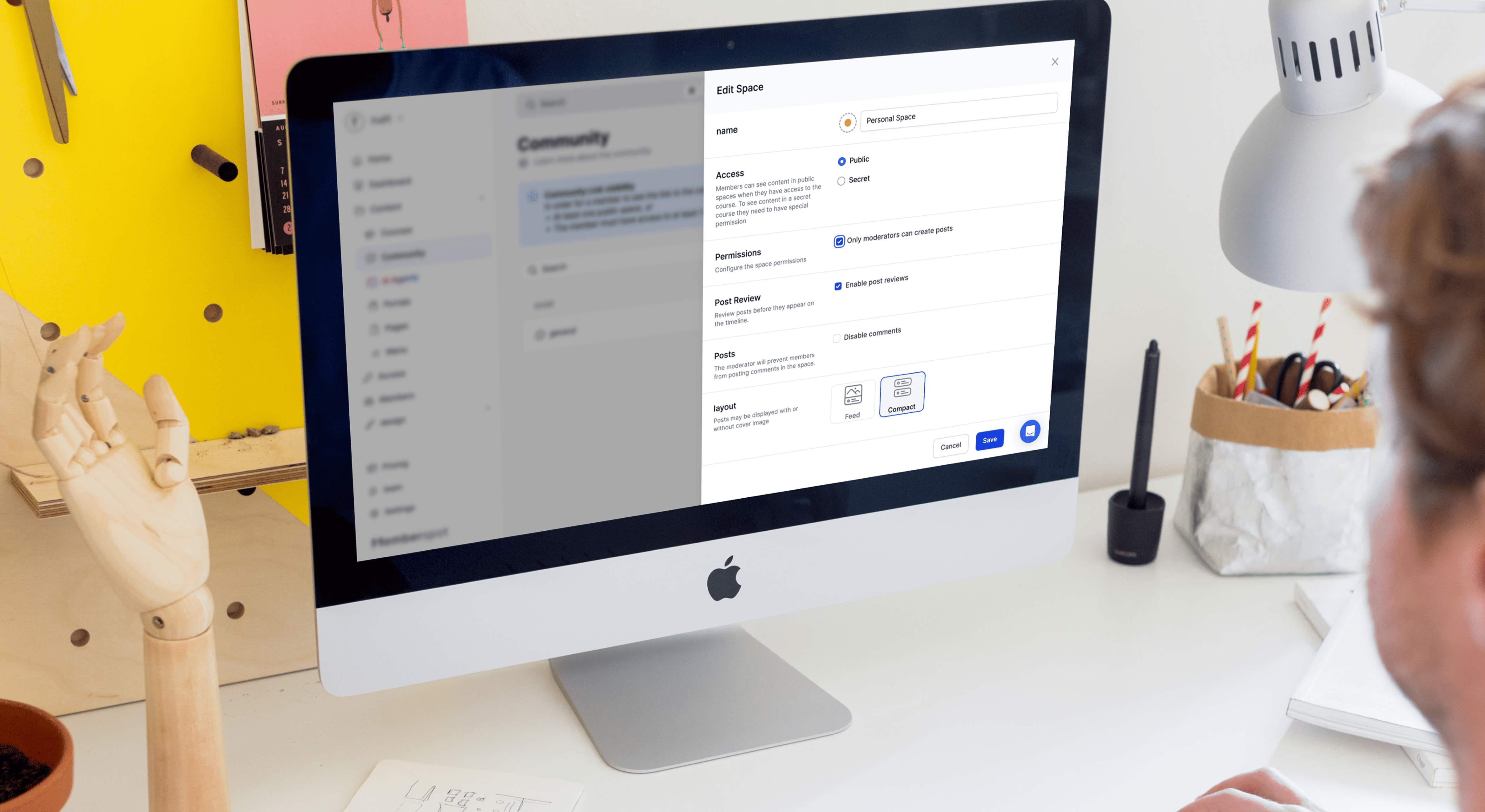
MemberSpot is a comprehensive SaaS eLearning platform built for creators, educators, and businesses who want to run memberships, share organized learning content, and manage their communities.
After fully understanding the customer’s needs, we transitioned from design testing and the discovery phase to delivery and began web development, focusing on scalability and feature completeness. During this project, we faced multiple challenges related to:
When we built real-time chat for MemberSpot, the goal was to make it feel fast and rock-solid, without compromising the rest of the platform. We had to ensure that messages stayed in sync, the experience was smooth, and the edge cases couldn’t break anything. And all this had to happen in isolation, so as not to affect existing users.
Additionally, we couldn’t cut corners with the architecture. The chat system needed to scale and stay flexible, so when beta ended, there’d be no need to rip it all out and start over.
One more thing: the handoff. Our team handled QA services and made sure the feature was solid, but the client took over for the actual launch. That meant clear documentation and release readiness with no loose ends.
Here’s how we tackled these challenges. First, we rolled out chat as a QA-only beta. That gave us space to iron out the bugs before a wider release. Then we built real-time messaging that actually feels fast, thanks to an optimistic UI that provides instant feedback, while the backend maintains consistency. We didn’t skimp on quality, either. Our team conducted thorough QA and regression tests to identify any issues that may have been overlooked.
Additionally, we maintained separate environments and prepared clear handover documentation. This gave the client complete control to enable chat in production on their timeline by toggling a feature flag.
Production-ready chat, proven in beta: MemberSpot exited beta with a real-time chat feature that actually works. The team provided instant delivery, a smooth and optimistic UI, and rock-solid performance in tests. Everything was ready for a controlled production rollout.
Complete control over release timing: NERDZ LAB delivered the feature with QA validation, release-ready implementation, and clear separation of responsibilities.
No disruption to the live platform: The main product stayed rock steady through all this. Users didn’t notice a thing, and no issues arose in production while the team worked.
Memberspot
Memberspot